Where to Hire a Virtual Assistant with AI Experience
If you already want to Hire a Virtual Assistant click here.
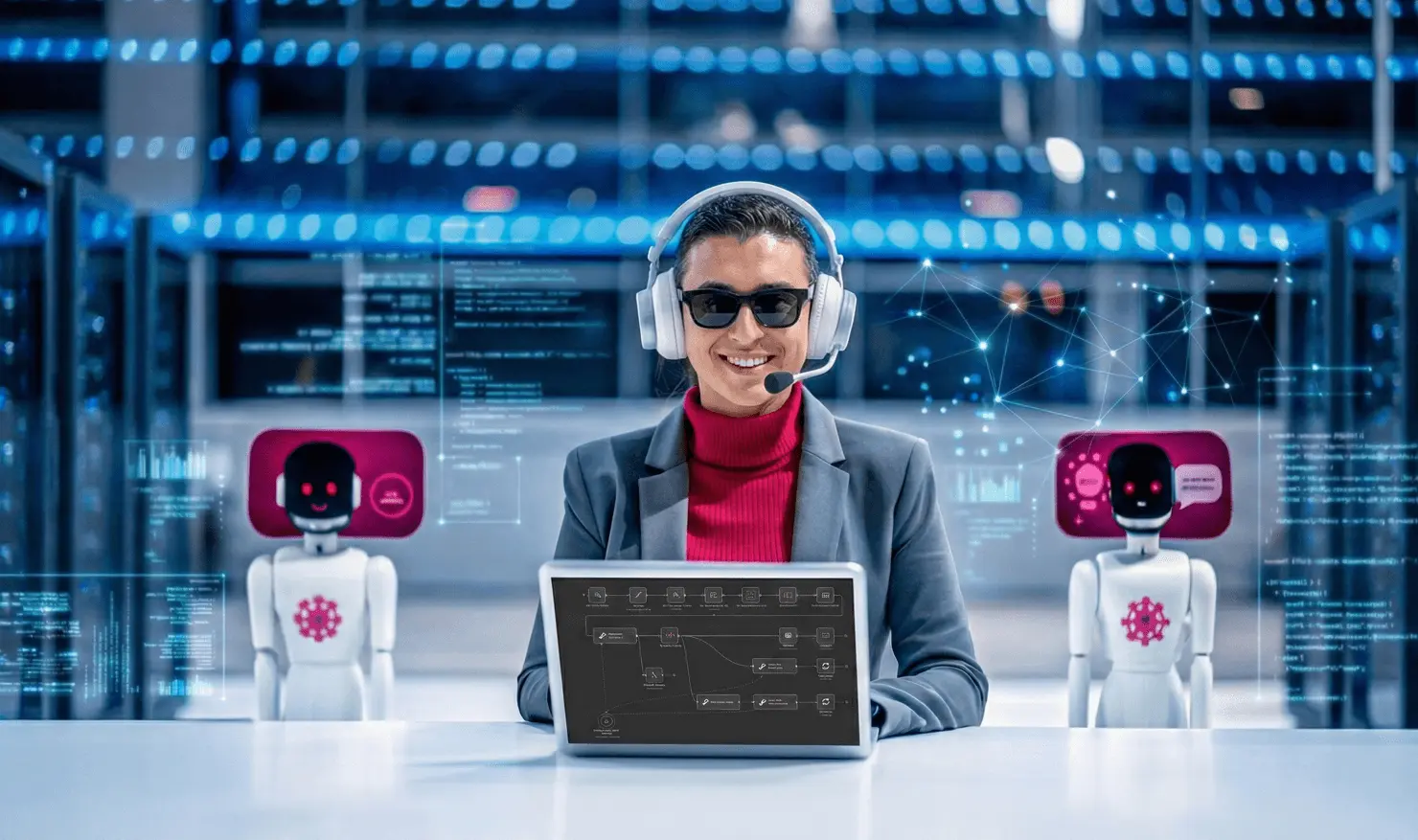
Artificial intelligence has moved from a competitive advantage to a daily business necessity. From automating workflows and managing data to optimizing marketing and customer communication, AI tools are now embedded in how companies operate. As a result, many founders and executives are asking a critical question: where to hire a virtual assistant with AI experience who can actually implement and manage these tools effectively.
Hiring an AI-skilled virtual assistant is not about replacing humans with technology. The most effective organizations combine human judgment with intelligent systems. This guide explains where to find AI-capable virtual assistants, what skills truly matter, how to hire legally and ethically, and how to onboard them for long-term success using expert-backed hiring frameworks.
Table of Contents
- Why AI-Skilled Virtual Assistants Are in High Demand
- What Does an AI-Skilled Virtual Assistant Actually Do?
- Where to Hire a Virtual Assistant with AI Experience
- Skills to Look for in an AI-Experienced Virtual Assistant
- How to Hire AI-Skilled Virtual Assistants
- Legal Considerations about AI-Skilled VA
- The Onboarding
- Cost of Hiring a Virtual Assistant with AI Experience
- Conclusion
- FAQ
Why AI-Skilled Virtual Assistants Are in High Demand
AI adoption has accelerated dramatically, but most companies lack the internal capacity to deploy and manage AI tools effectively. According to Scaling Customer Success (Madhwacharyula & Ramdas, 2023), technology only creates value when paired with human execution. Virtual assistants with AI experience bridge this gap by translating AI capabilities into real operational outcomes.
Rather than hiring expensive AI engineers, startups and SMBs are leveraging AI-literate virtual assistants who can automate processes, manage prompts, optimize CRM workflows, and support decision-making. Flexible, hybrid talent models outperform rigid structures in fast-changing environments, making AI-skilled VAs a natural fit for modern teams.
What Does an AI-Skilled Virtual Assistant Actually Do?
An AI-skilled virtual assistant combines traditional VA responsibilities with applied AI execution. Their work may include:
- Automating workflows using tools like Zapier, Make, or Notion AI
- Managing AI content generation for blogs, emails, and social media
- Creating and optimizing prompts for ChatGPT or Claude
- Cleaning, tagging, and analyzing data using AI-assisted tools
- Supporting customer success and sales with AI-driven insights
- Maintaining CRMs enhanced with AI recommendations
The value of a VA increases exponentially when they can improve systems rather than just execute tasks. AI literacy allows assistants to multiply output while reducing manual work.
Where to Hire a Virtual Assistant with AI Experience
Top talent agencies
The most reliable way to hire an AI-capable VA is through top talent agencies that assess both technical ability and communication skills. Agencies like Remote Latinos specialize in sourcing bilingual virtual assistants from Latin America who are trained in modern tools, including AI platforms, automation software, and CRM systems. Reducing hiring risk is critical, and pre-vetted networks dramatically improve quality of hire.
Global freelance platforms
Platforms such as Upwork, Workana, and Toptal offer access to AI-literate VAs, but they require more screening. Resumes rarely predict performance. If using marketplaces, employers must rely on test projects and structured interviews to verify AI competency.
Latin America as a top AI-VA hiring region
Latin America has emerged as one of the best regions to hire AI-skilled virtual assistants. According to Rodriguez (2007), professionals in the region demonstrate strong adaptability and continuous learning, essential traits in fast-evolving AI environments. Combined with U.S. time-zone alignment, cultural compatibility, and competitive costs, LATAM is now a preferred destination for AI-enabled remote talent.
Skills to Look for in an AI-Experienced Virtual Assistant
Hiring for AI experience does not mean hiring a data scientist. Effective hires combine technical competence with reliability and judgment. Look for AI-skilled assistants who demonstrate:
- Practical experience with AI tools (ChatGPT, Gemini, Notion AI, HubSpot AI)
- Ability to document and improve workflows
- Strong written communication and prompt clarity
- Data hygiene and organizational discipline
- Ethical awareness around AI usage and data privacy
- Curiosity and continuous learning habits
AI success depends on human oversight. Virtual Assistants must know when to rely on automation and when to intervene manually.
How to Hire AI-Skilled Virtual Assistants
We recommend outcome-based hiring. Instead of asking “Do you know AI tools?”, define outcomes such as:
- Automate weekly reporting using AI.
- Reduce content creation time by 50%.
- Improve CRM accuracy with AI enrichment.
Use structured interviews, as outlined by Painter & Haire (2022), to assess problem-solving and clarity. Always include a paid test project, such as building a simple automation or improving an AI prompt. Real execution reveals far more than certifications.
Legal Considerations about AI-Skilled VA
Hiring a virtual assistant with AI experience is legal when contracts are clear and compliant. According to Docfield (2024), companies must define:
- Independent contractor vs. employee status
- Data protection and confidentiality terms
- Intellectual property ownership for AI-generated work
For long-term hires in Latin America, we recommend Employer of Record services like Deel or Remote.com to manage payroll, taxes, and compliance. Ethical hiring practices directly impact retention and trust.
The Onboarding
Onboarding determines whether AI tools create leverage or chaos. Four onboarding pillars: clarity, connection, consistency, and culture.
For AI-skilled VAs:
- Provide SOPs for AI usage and approval thresholds
- Define which decisions can be automated
- Establish documentation standards
- Schedule frequent early check-ins
- Encourage experimentation within guardrails
Well-trained virtual assistants evolve into systems managers, not task executors. Proper onboarding turns AI into a strategic asset rather than a risk.
Cost of Hiring a Virtual Assistant with AI Experience
AI-experienced VAs command slightly higher rates but still deliver strong ROI. Typical costs include:
- Latin America: $12–25/hour or $1,800–3,500/month
- Asia-Pacific: $10–20/hour
- U.S./Canada: $30–60/hour
Employers that fair compensation improves engagement and reduces turnover. When assistants save dozens of hours per month through automation, their cost is quickly offset.
Conclusion
Knowing where to hire a virtual assistant with AI experience is no longer optional, it’s a strategic necessity. Businesses that combine human intelligence with AI execution outperform those that rely on tools alone.
By hiring pre-vetted AI-literate virtual assistants, especially from regions like Latin America, companies gain efficiency, scalability, and operational clarity. When supported by structured onboarding and ethical hiring practices, AI-enabled VAs become long-term partners in growth.
If you’re ready to hire confidently, Remote Latinos connects companies with pre-vetted virtual assistants trained in AI tools, automation, and modern workflows, aligned with U.S. business standards and time zones.
FAQ
What does an AI virtual assistant do?
An AI virtual assistant uses artificial intelligence tools to automate tasks, optimize workflows, generate content, analyze data, and support decision-making while still applying human judgment and oversight.
Are AI-skilled virtual assistants worth it?
Yes! AI delivers the most value when guided by humans. AI-literate VAs significantly reduce manual workload and improve efficiency.
How much does an AI virtual assistant cost?
Rates typically range from $12–25/hour in Latin America, depending on experience and responsibilities.
Can a virtual assistant automate workflows with AI tools?
Yes. Many AI-experienced VAs build automations using Zapier, Make, CRM AI features, and custom prompts to streamline operations.
Will AI replace virtual assistants?
No. AI augments virtual assistants rather than replacing them. Human judgment, context, and accountability remain essential.
How do I evaluate AI skills during hiring?
Use paid test projects that require real automation or AI output. Avoid relying on certifications alone.
References
Docfield. (2024). Legal considerations in remote work employment agreements. Docfield.
Fahey, I. (2025). Legal considerations when hiring remote workers in LATAM. LATAM.Hire.
Herrenkohl, E. (2010). How to hire A-players. Wiley.
Johnson, K. (2022). How to recruit, hire and retain great people. G&D Media.
Loper, N. (2014). Virtual assistant assistant. Bryck Media.
Mar, J., & Armaly, P. (2024). Mastering customer success. Packt Publishing.
Madhwacharyula, C., & Ramdas, S. (2023). Scaling customer success. Apress.
Painter, A. J., & Haire, B. A. (2022). The onboarding process. Team Solution Series.
Rodriguez, R. (2007). Latino talent. Wiley.
Tulgan, B. (2022). Winning the talent wars. W. W. Norton & Company.
Wintrip, S. (2017). High-velocity hiring. McGraw-Hill Education.
.webp)